




QuietOn2 Electronic Noise Cancelling Sleep Earbuds
Original price was: $247.99.$99.99Current price is: $99.99.
- Quality and Affordability Combined
- Elevate Your Shopping Experience
- Friendly, efficient service, always online.
- Discover a world of quality products.

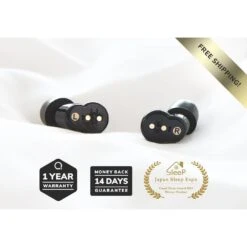
QuietOn2 Sleep earbuds effectively cancel snoring, traffic noise or other ambient sound. They provide you the quieter environment to sleep, focus and feel better.
Take action now and make a positive impact on your wellbeing and managing your everyday life!
- Sleep better, feel better, focus better
- High performance active noise cancelling
- Superior comfort with soft ear tips
- 20 hours of battery life per single charge
Package includes: earbuds, eartips (S, M, L sizes), charging case and cable
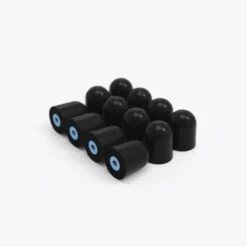
Replacement tips available here.
How ANC works
Active noise control (ANC), active noise cancelling, and active noise reduction (ANR) are names of method where
an unwanted sound is reduced by adding another sound specifically made to cancel it out. Active noise cancelling
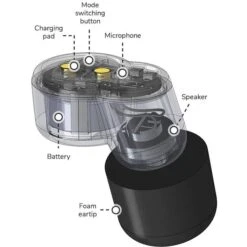
technology uses a microphone to sample the sound, and a speaker to create a phase-shifted sound that
cancels the original sound.
Tiny technology
In QuietOn Sleep, the microphone is located outside like in many other active noise cancelling devices. This is called Feed-forward Active Noise Cancelling. The internal mic system used on QuietOn Original is called Feedback Active Noise Cancelling. In active noise cancelling, the difference is that the outside microphone has a time advantage over internal mic which enables noise cancelling to work at higher frequencies. With the first and second model, QuietOn is proud to be the first smallest active noise cancelling device.
Silence the snoring
QuietOn provides optimal noise reduction across the whole audible spectrum. They are most effective at low frequencies such as snoring, ambient sounds coming through walls, or airplane cabin noises. Low frequencies may seem harmless, but they can cause serious damage to your hearing and well-being.
Silencing and hearing mode
QuietOn Sleep includes the option to switch between the silencing and the hearing mode. When using the hearing mode, you can communicate with others and there is no passive attenuation. When the sound level exceeds the harmful level, the passive attenuation starts to take effect. In silent mode, both active and passive attenuation are in use.
Active noise cancelling vs noise masking
Active noise cancelling technology uses a microphone to sample the sound, and a speaker to create a phase-shifted sound that cancels the original sound.
There are also a couple of noise-masking devices on the market. They do partly mask some part of the noise, but unless a very loud masking level is used, you still can hear both the masking noise (i.e., rainfall) and the snoring from your partner.
Be the first to review “QuietOn2 Electronic Noise Cancelling Sleep Earbuds”
Related products







Reviews
There are no reviews yet.